

Are You Less Behind Than You Think?
How compound growth - using the rule of 72 - reveals that you may be further ahead than you feel in your financial journey.

Could Waiting a Year Cost $140,000?
How delaying financial moves by a year could cost you nearly $140,000 over 40 years - due to compound growth.

5 Ways to Lower Taxes Besides Donations
Five smart ways to lower your taxable income - like pre-tax retirement accounts, HSAs, spousal IRAs, tax-loss harvesting, and share sales.

Can Volunteering Save Your Life?
How volunteering once led to a lifesaving health check - and how helping others can improve your wellbeing, too.

Are You Ignoring $900,000?
Why ignoring Social Security could miss nearly $900,000 in retirement income - and how timing your benefits wisely matters.

Buying a Car
Five smart car-buying steps - from knowing your alternatives and negotiating financing to staying energized and walking away if needed.

Vacation + Disaster = Adventure
Discover how a smoke-filled vacation turned into a heartwarming, flexible getaway - pivoting plans and savoring unexpected moments.

Never Finance a Toy
One of the best pieces of advice I received came on a boat in Northern Idaho.
Joe and Amber were trying to get Kyle to take out a loan and buy a boat together.
Kyle declined using four words I’ll never forget:
“Never finance a toy.”

Types of Spending
Discover the four types of spending - needs, entertainment, societal, and addiction - and how they impact your physical and psychological well-being.

My Goal? Help People Reach Financial Independence!
My goal? Helping you reach financial independence so you choose to work - not because you have to.

Combining Finances is Like a Dimmer Switch
Why combining finances isn’t all-or-nothing - it’s like a dimmer switch with infinite ways to blend autonomy, fairness, and goals.

How Are Restricted Stock Units Taxed?
Know how RSUs are taxed - why vesting counts as income, how your share basis works, and short- vs. long-term capital gains.
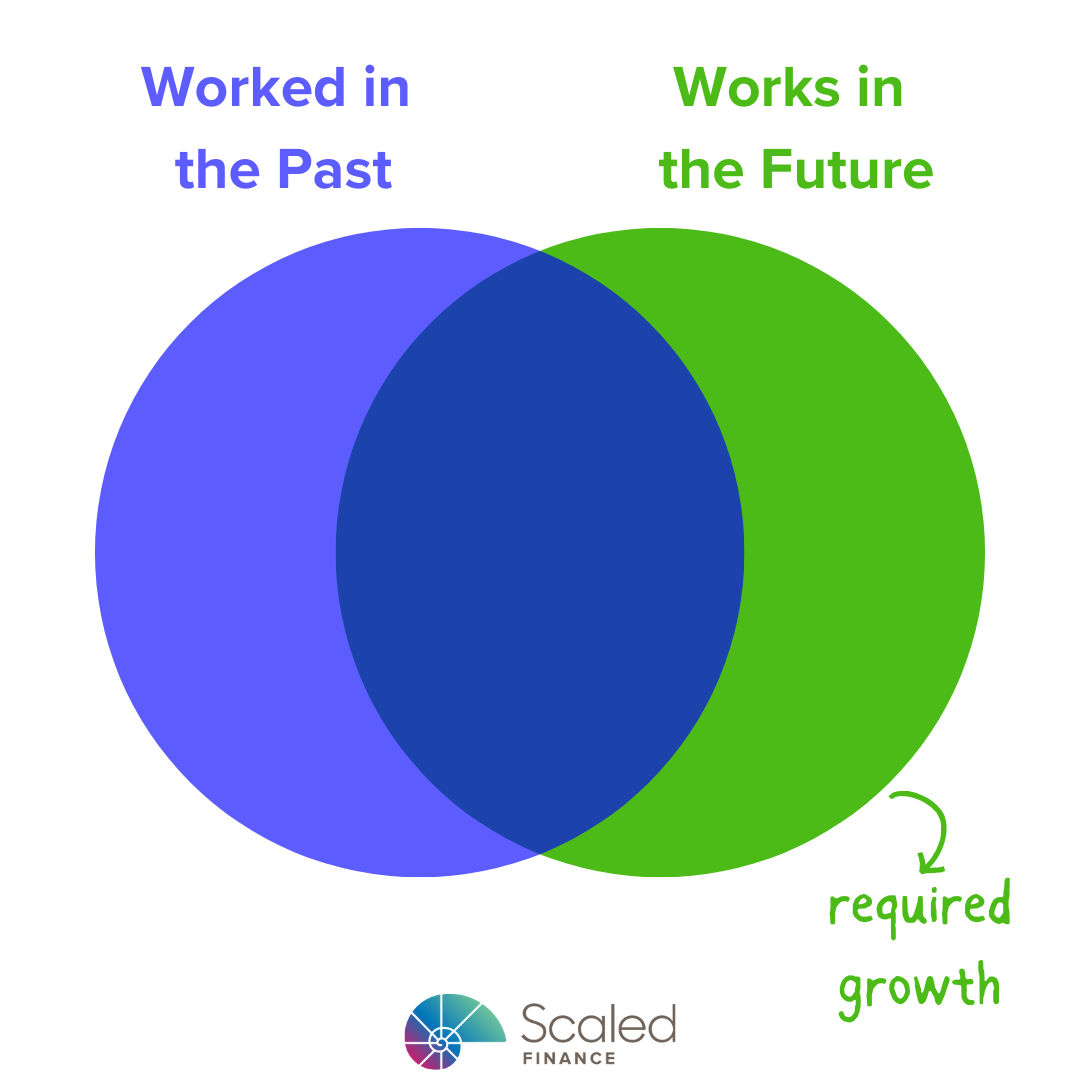
What Worked in the Past May Not Work in the Future
What worked in the past may not work in the future.
Change is like a current. Standing still takes effort. Making progress takes more.
Fortunately, most of life’s major changes happen every day!
Seek the counsel of those who have gone from where you are to where you want to go.

How Does a Couple Reach Financial Independence?
Know how couples may achieve financial independence: estimate expenses, subtract expected income, then multiply the shortfall by 25.

What Percent of Workers Max Social Security?
What percent of covered workers earn more than the Social Security maximum?
Only 6%!
It shocked me it was that low.
How about you?

What Is Financial Independence?
What is financial independence?
That’s the beauty of it. Everyone’s definition is different.
At its core, it's the ability to do what you like, when you like, and with whom you like.

Where We Focus vs. What Sinks Us
We tend to focus on what we know.
It’s specialization at its finest!
Unfortunately, this laser focus can create painful blind spots.
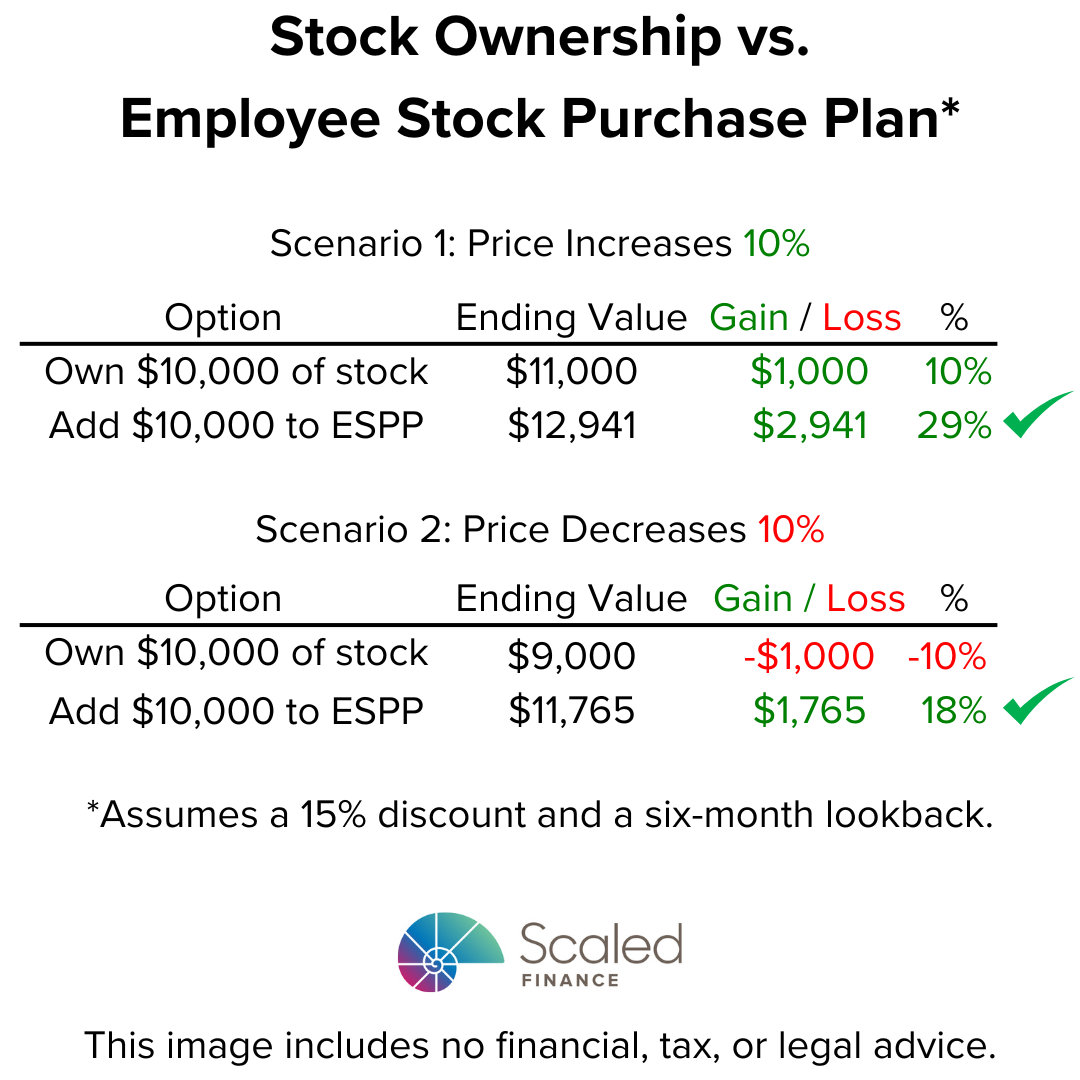
Own Stock or Contribute to ESPP?
Is it better to own stock or contribute to an Employee Stock Purchase Plan better?
Contributing to an Employee Stock Purchase Plan may be preferable.
Let’s compare a couple scenarios either:
owning $10,000 of stock or
contributing $10,000 to an Employee Stock Purchase Plan with a 15% discount and six month lookback
Scenario 1: a price increase of 10% could result in:
Ending value of $12,941 with the ESPP versus $11,000 if holding stock
Gain of $2,941 with the ESPP versus $1,000 if holding the stock
Return of +29% with the ESPP versus +10% if holding stock
Scenario 2: a price decrease of 10% could result in:
Ending value of $11,765 with the ESPP versus $9,000 if holding the stock
Gain of $1.765 with the ESPP versus loss of $1,000 if holding stock
Return of +18% with the ESPP versus -10% if holding stock