
Frequent Restricted Stock Unit Vests May Be Win-Win-Win
Why frequent RSU vests - like quarterly or semi-annual - can benefit employees, companies, and shareholders alike.

Sammy Says! 13 Things the U.S. Tax Code Encourages
Sammy Says! The U.S. Tax code encourages many things. Some of them include: 1. Get educated. 2. Get a job. 3. Earn some money. 4. Don’t make too much. 5. Pay medical expenses. 6. Get married. 7. Buy a home. 8. Go green. 9. Have or adopt children. 10. Invest long-term. 11. Save for retirement. 12. Give some away. 13. Don’t get too rich.

Love Future You
A friendly reminder why your future self deserves love - how your raise and bonus today can supercharge savings and help future you thrive.
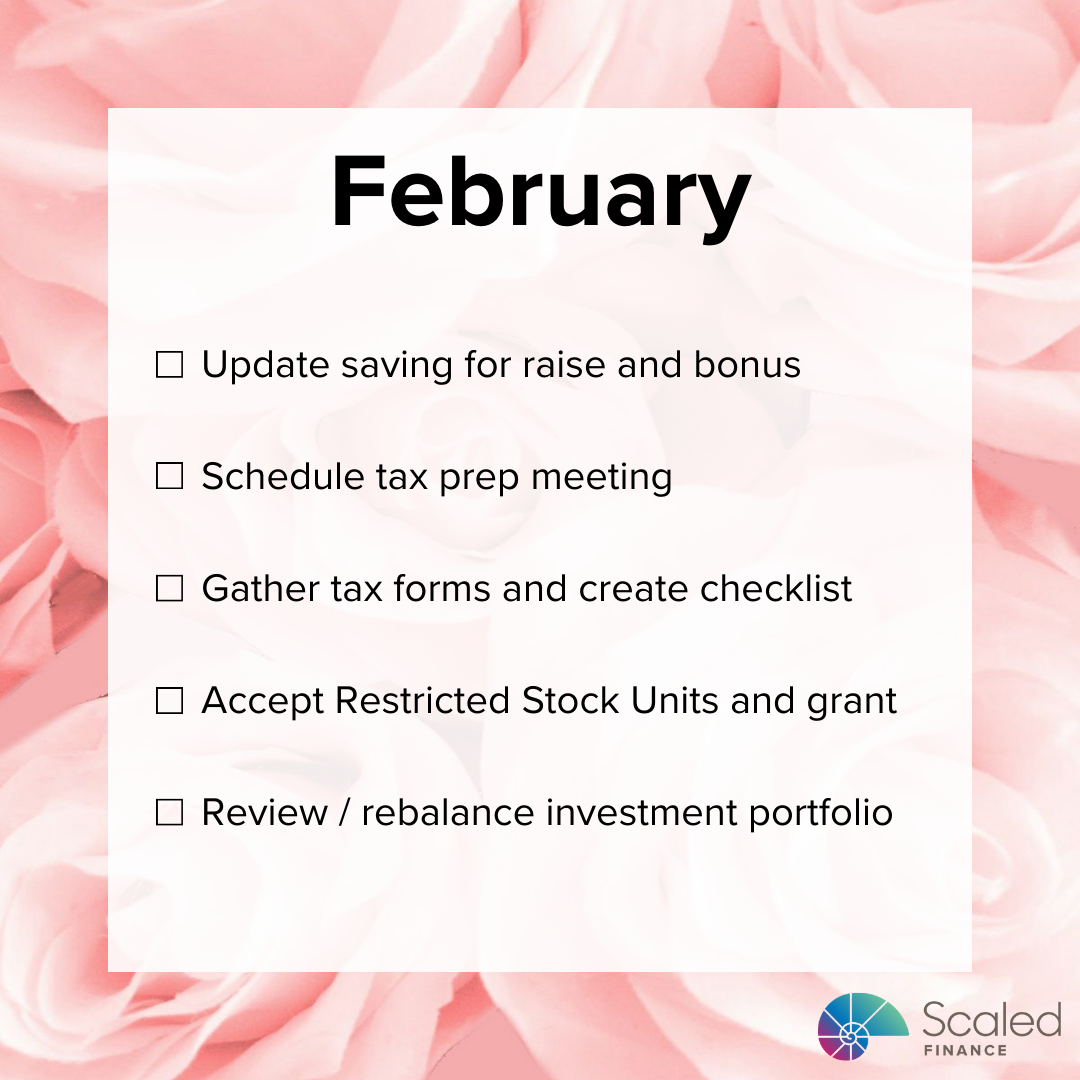
Potential Financial Steps for T-Mobile Employees in February
What financial steps might T-Mobile employees take in February? Options might include: update saving for raise and bonus, schedule tax prep meeting, gather tax forms and create checklist, accept Restricted Stock Units and grant, and review / rebalance investment portfolio.

Ignoring the Spousal IRA?
One of the most often overlooked opportunities is the spousal IRA. A spousal IRA is a traditional retirement account a spouse can contribute to despite earning little or no income. Contributing to a spousal IRA may help a couple lower their taxable income, reduce their taxes, and save for retirement.

Your Last Career Will Be Investor
Why your final career might be investor - because nobody cares for your money as much as you, and learning to invest gives you control.

Money and Freedom on MLK Day
A part of Dr. King’s “I Have a Dream” speech that resonates with me is early on when he uses debt as a metaphor for human rights. It’s beautiful how he articulates that the lack of freedom is a debt owed by the U.S. government to all Americans. I often equate money with freedom. However, I find the “Earn More!” / “Spend More!” debate comical. Do both! The forces amplify!

Investing in or Betting on Real Estate?
When real estate is a true investment vs speculation - focusing on profit, lifestyle use, leverage, and how properties can become income generators

2023 Year in Review
Review 2023’s financial highlights - from taming inflation and booming stocks to student loan forgiveness and post-pandemic spending.

Do You Even Need a Budget?
How replacing strict budgeting with mindful spending can help you spot hidden costs, evaluate expenses, and align spending with what matters most.

Is Your Cash Starving?
Running low on cash can trigger stress, fees, and a downward spiral - building a buffer breaks the cycle and can unlock opportunities.

No Tax on Investment Gains?
Someone might pay no tax after selling an investment for a gain. There is a 0% capital gains tax bracket. However, it is very common for someone to pay a 15% capital gains tax.

Are My Assets in the Right Location?
Place your money wisely - align your emergency fund, retirement, investments, and HSAs in the right account types to work smarter.

5 Great Questions to Ask Yourself
What are five great questions to ask yourself? 1) What do I want my money to accomplish? 2) How do I minimize lifetime taxes? 3) What if I’m injured? 4) How can education costs be reasonable? 5) Are my assets in the right location?
Happy Thanksgiving!
Happy Thanksgiving, all!
I have even more than usual to be thankful for this year - including family, health, time, clients, and support.
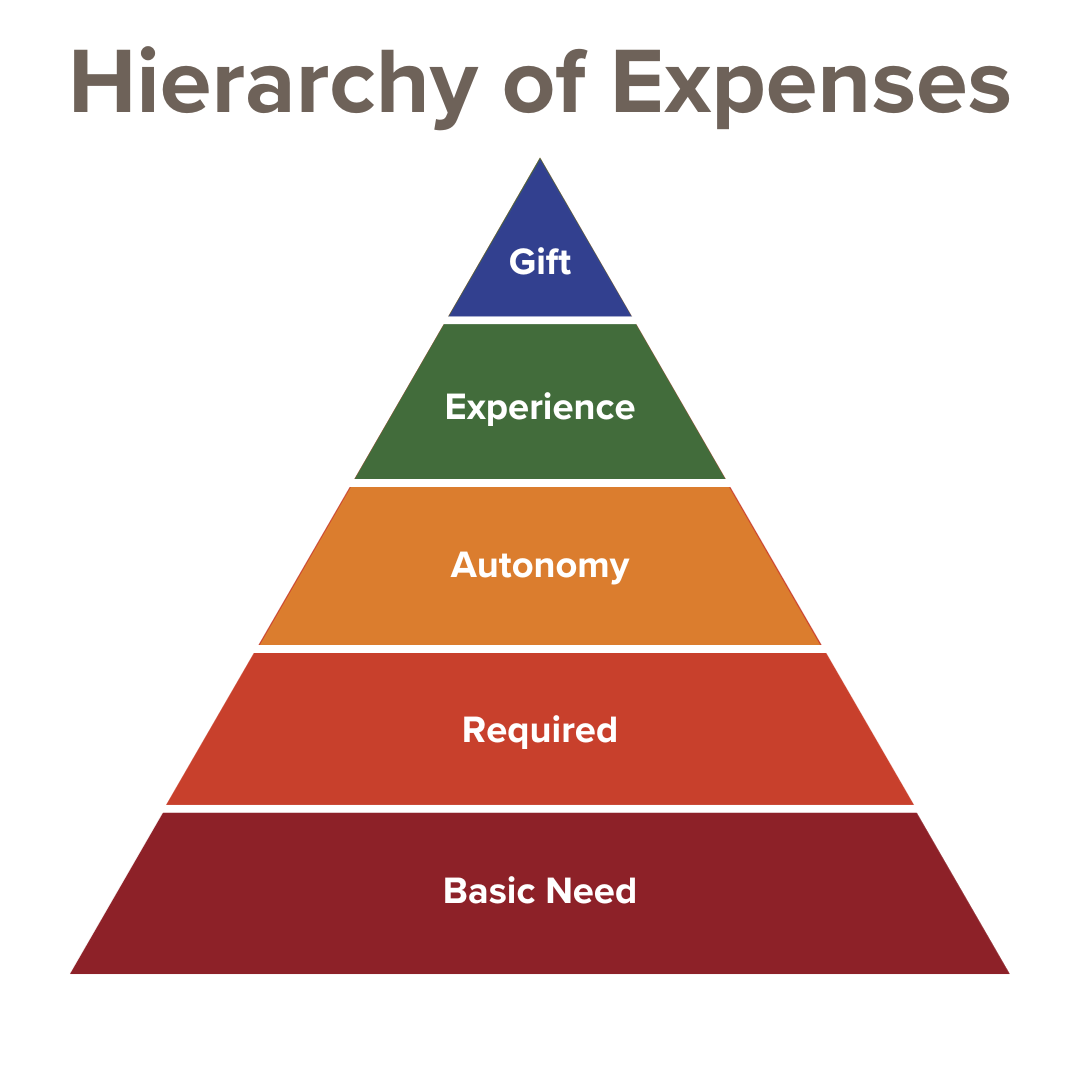
Hierarchy of Expenses
What are the hierarchy of expenses? Basic needs, required, autonomy, experience, and gift.
This article explores each in turn.
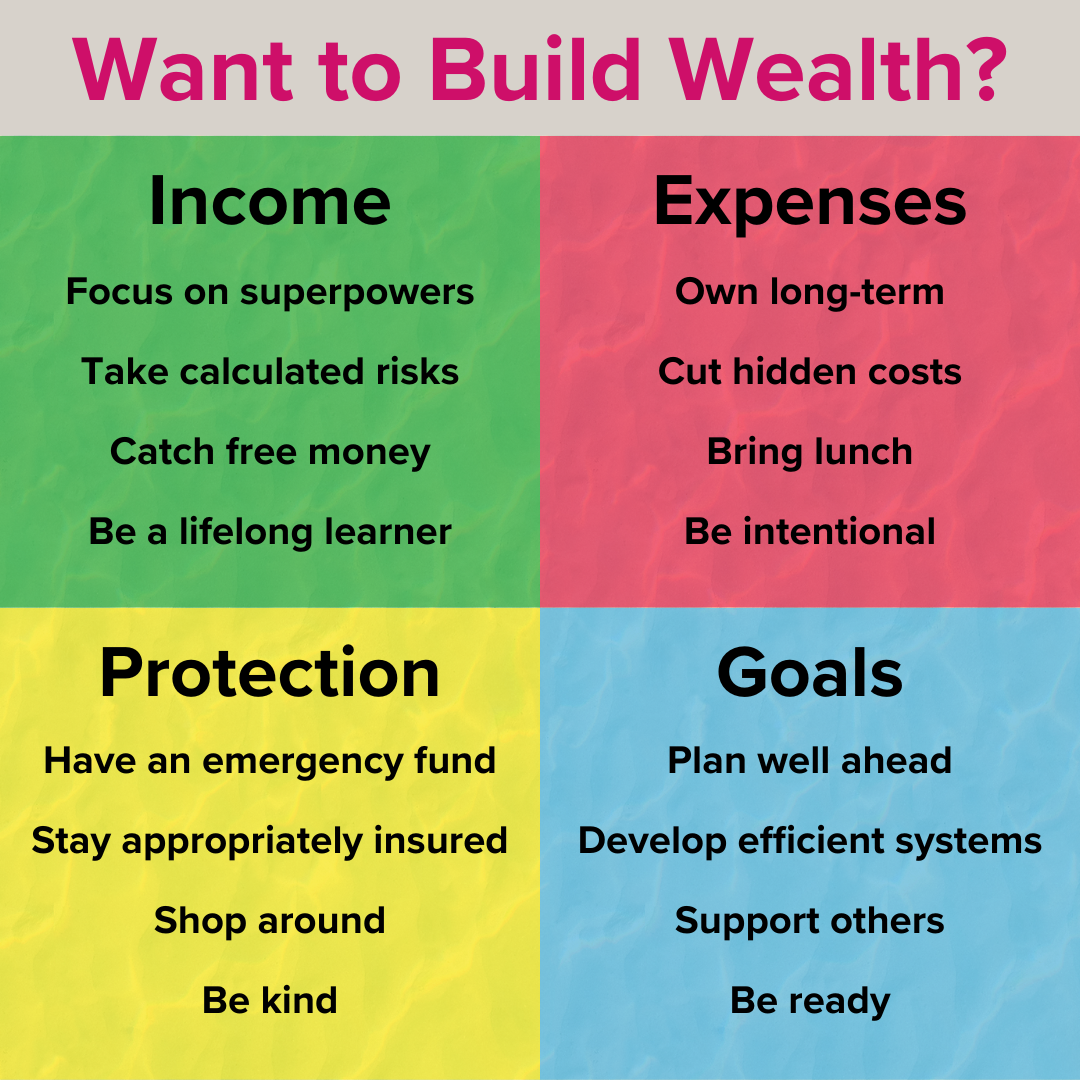
16 Ways to Build Wealth
Explore 16 simple, smart ways to build wealth - from boosting income and cutting costs to protecting assets and planning ahead.
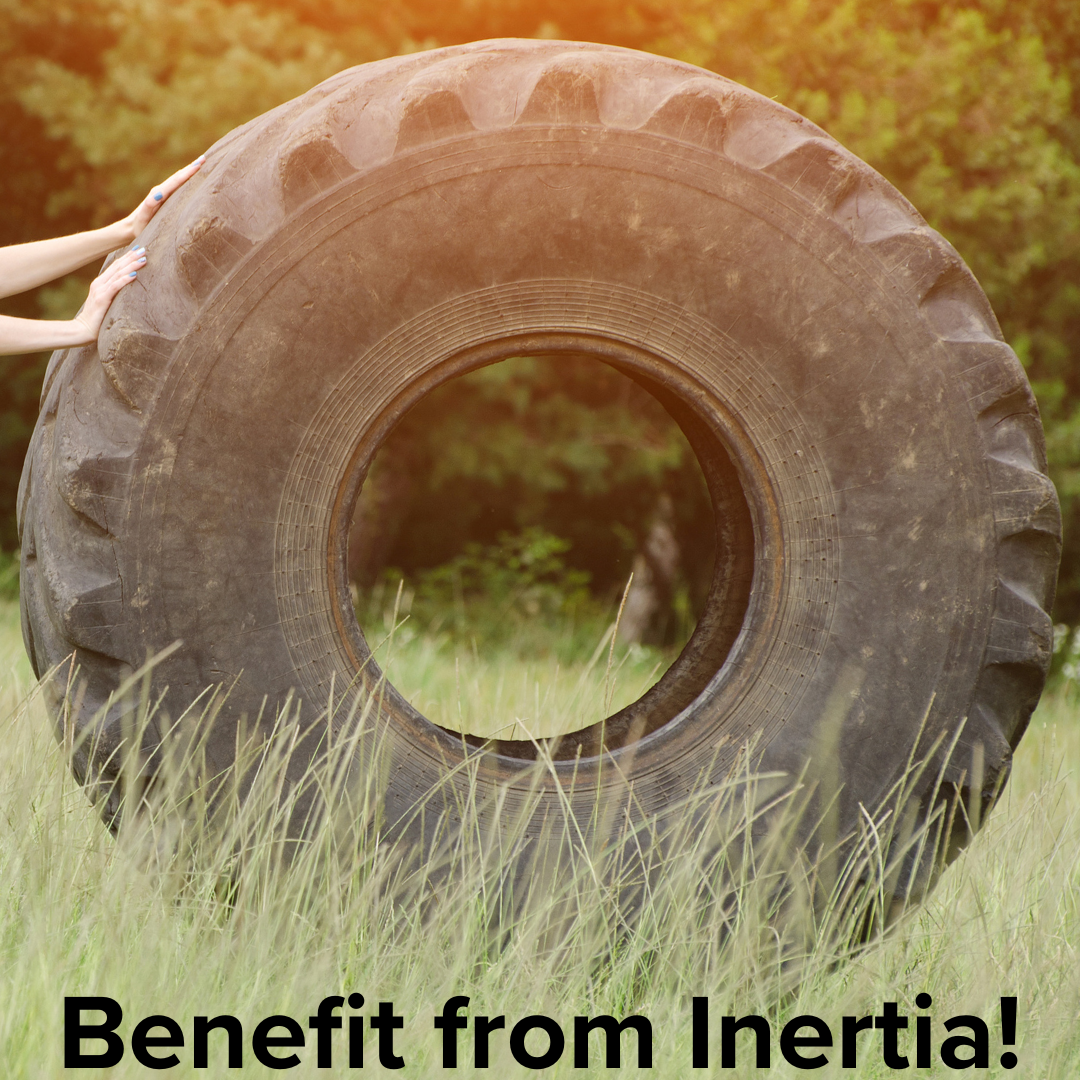
Benefit from Inertia
This is how inertia can work in your favor over decades with minimal effort - including automated savings and compound growth.

Pros and Cons of a Health Savings Account
The pros and cons of an HSA - tax-smart savings, portability and flexibility versus high deductibles and eligibility limits.

How Disability Insurance Works
How disability insurance protects your income - covering own-occ vs. any-occ, payout %, employer vs. individual, and family needs.