

Benefit from Stop, Start, Continue!
Benefit from Start, Start, Continue! This technique applies to many areas of life - including personal finance.

Rich Is Flashy
Rich is flashy. However, few things can destroy someone’s wealth faster than trying to look rich.
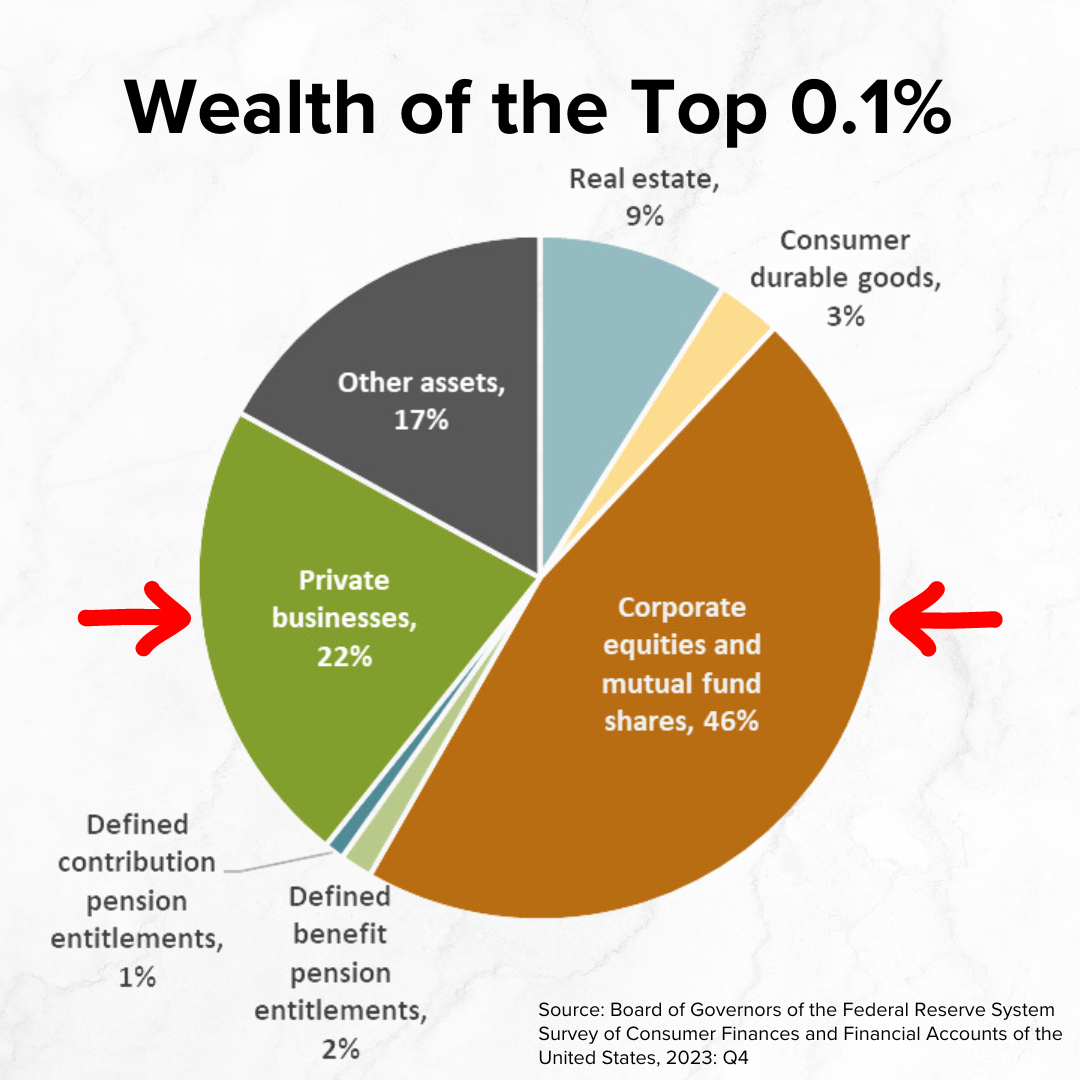
Own Like a Billionaire?
A lot of the focus has been on how much those with significant wealth own. However, what they own might be even more interesting! This article leverages data from the Federal Reserve to compare what households own at varying levels of wealth.

Is a Home an Investment?
Is a home an investment? The majority of voters in a recent LinkedIn poll think so! However, it’s worth a deeper dive.
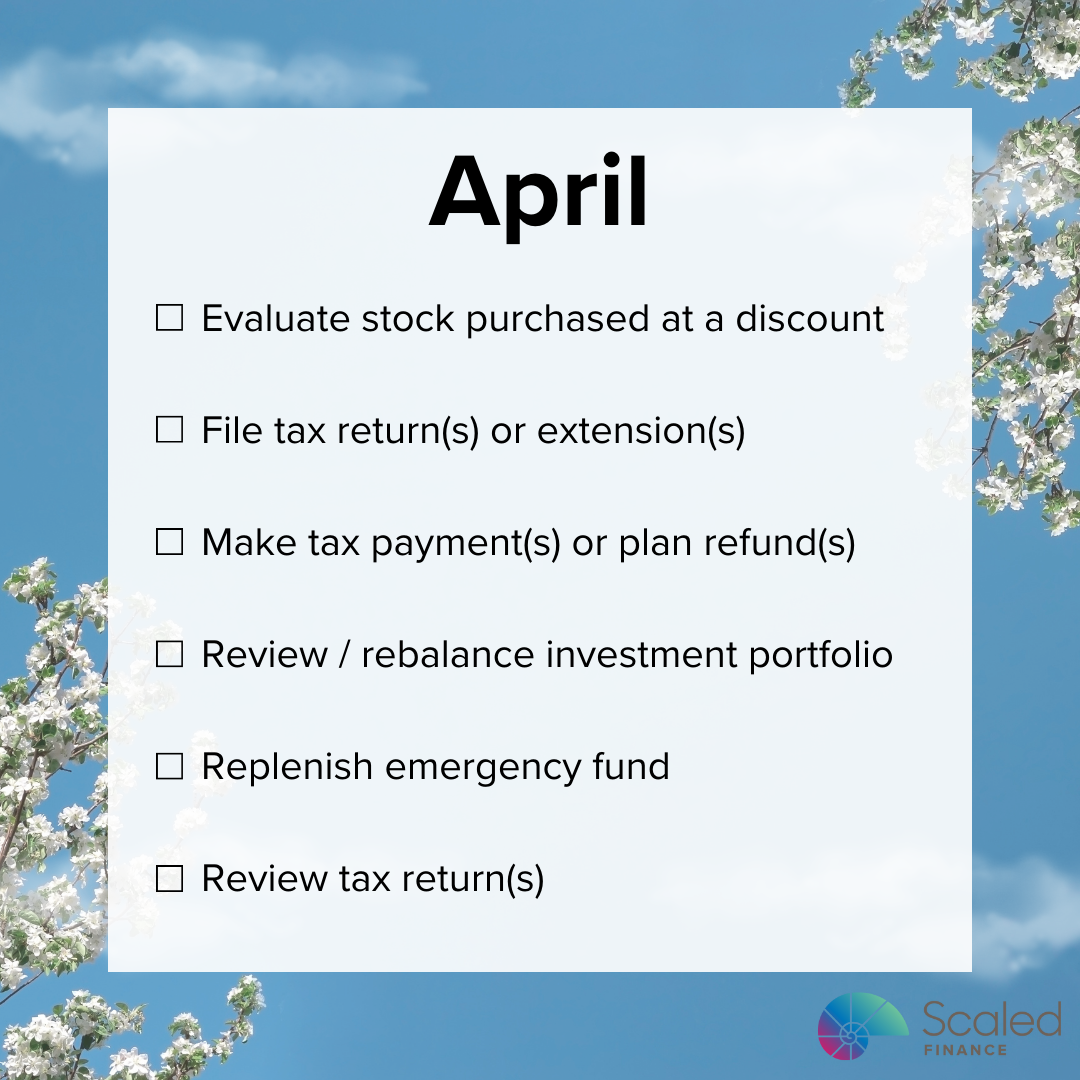
Potential Financial Steps for T-Mobile Employees in April
What financial steps might T-Mobile employees take in April? Options could include: evaluate stock purchased at a discount, file tax return(s) or extension(s), make tax payment(s) or plan refund(s), review / rebalance investment portfolio, replenish emergency fund, and review tax refund(s).

Raise Rent on Parents?
Does it make sense to raise the parents’ rent?

Will You Owe Estate Tax?
Will you owe estate tax? It may depend on your state!
How Does an ESPP Work?
How does an Employee Stock Purchase Plan work?
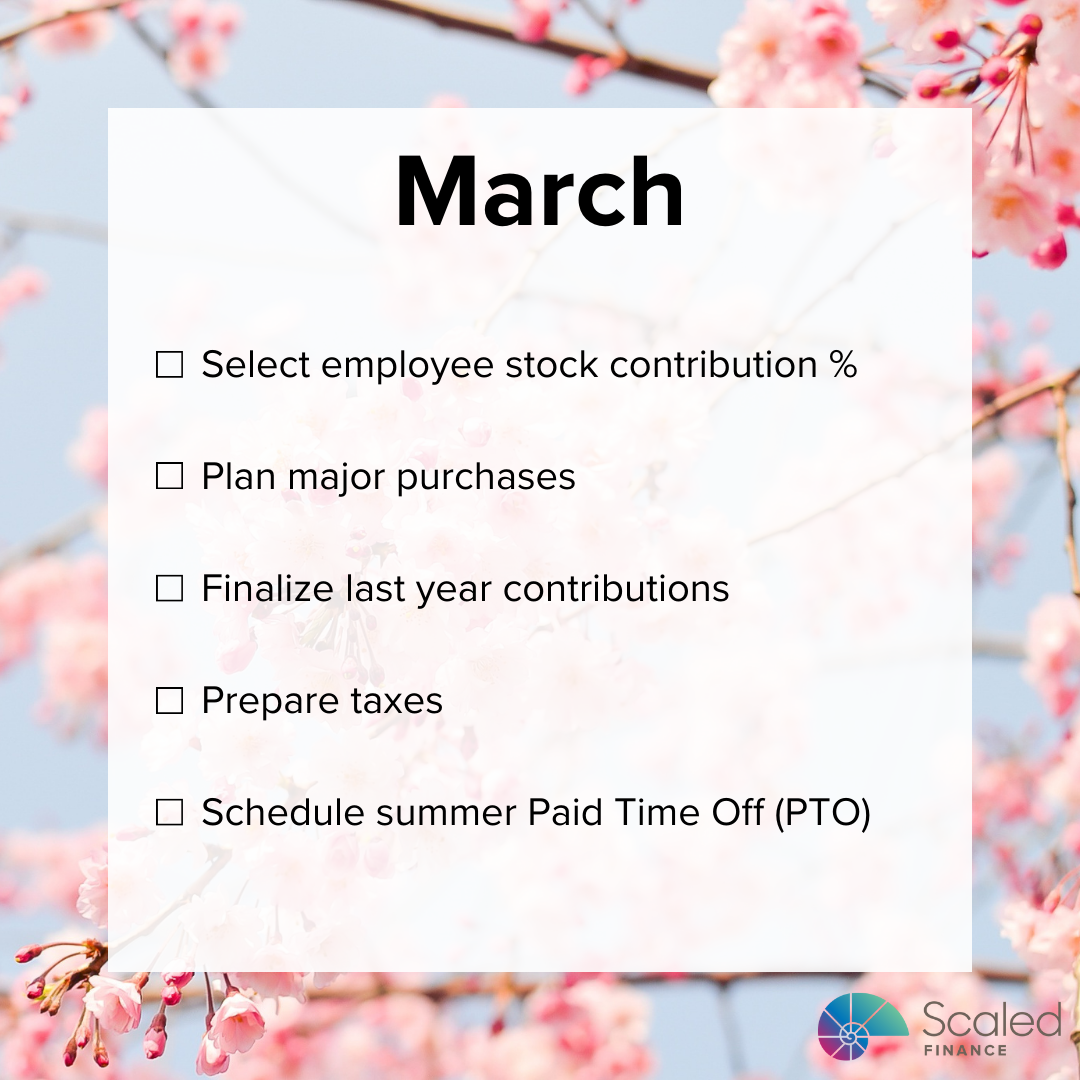
Potential Financial Steps for T-Mobile Employees in March
What financial steps might T-Mobile employees take in March? Options might include: select employee stock contribution %, plan major expenses, finalize last year contributions, prepare taxes, and schedule summer Paid Time Off (PTO).
What to Do with RSUs?
What to do with Restricted Stock Units? There are at least fifteen (15) things to do besides hold onto the shares.

Frequent Restricted Stock Unit Vests May Be Win-Win-Win
Why frequent RSU vests - like quarterly or semi-annual - can benefit employees, companies, and shareholders alike.

Sammy Says! 13 Things the U.S. Tax Code Encourages
Sammy Says! The U.S. Tax code encourages many things. Some of them include: 1. Get educated. 2. Get a job. 3. Earn some money. 4. Don’t make too much. 5. Pay medical expenses. 6. Get married. 7. Buy a home. 8. Go green. 9. Have or adopt children. 10. Invest long-term. 11. Save for retirement. 12. Give some away. 13. Don’t get too rich.

Love Future You
A friendly reminder why your future self deserves love - how your raise and bonus today can supercharge savings and help future you thrive.
Potential Financial Steps for T-Mobile Employees in February
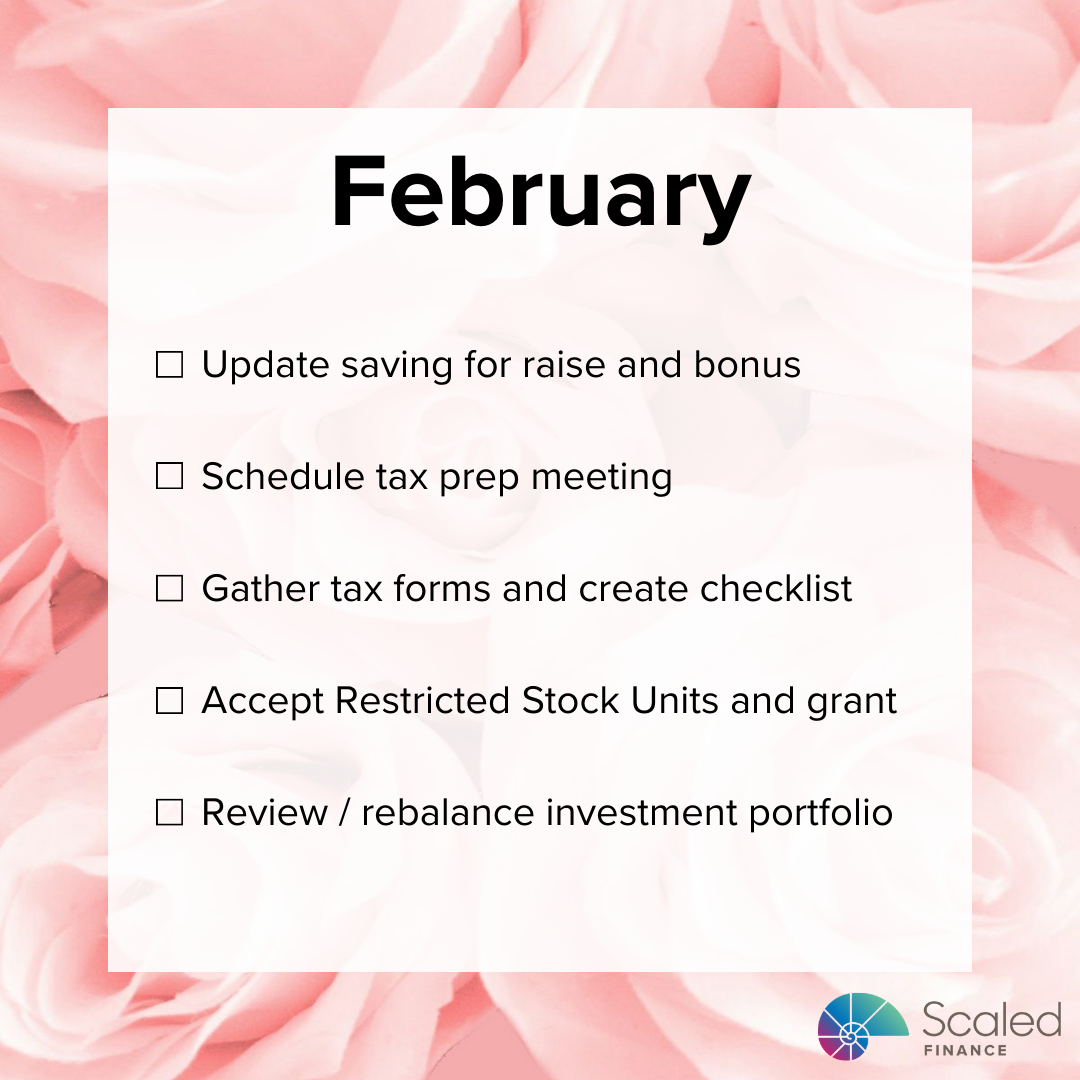
What financial steps might T-Mobile employees take in February? Options might include: update saving for raise and bonus, schedule tax prep meeting, gather tax forms and create checklist, accept Restricted Stock Units and grant, and review / rebalance investment portfolio.

Ignoring the Spousal IRA?
One of the most often overlooked opportunities is the spousal IRA. A spousal IRA is a traditional retirement account a spouse can contribute to despite earning little or no income. Contributing to a spousal IRA may help a couple lower their taxable income, reduce their taxes, and save for retirement.

Your Last Career Will Be Investor
Why your final career might be investor - because nobody cares for your money as much as you, and learning to invest gives you control.

Money and Freedom on MLK Day
A part of Dr. King’s “I Have a Dream” speech that resonates with me is early on when he uses debt as a metaphor for human rights. It’s beautiful how he articulates that the lack of freedom is a debt owed by the U.S. government to all Americans. I often equate money with freedom. However, I find the “Earn More!” / “Spend More!” debate comical. Do both! The forces amplify!

Investing in or Betting on Real Estate?
When real estate is a true investment vs speculation - focusing on profit, lifestyle use, leverage, and how properties can become income generators

2023 Year in Review
Review 2023’s financial highlights - from taming inflation and booming stocks to student loan forgiveness and post-pandemic spending.

Do You Even Need a Budget?
How replacing strict budgeting with mindful spending can help you spot hidden costs, evaluate expenses, and align spending with what matters most.